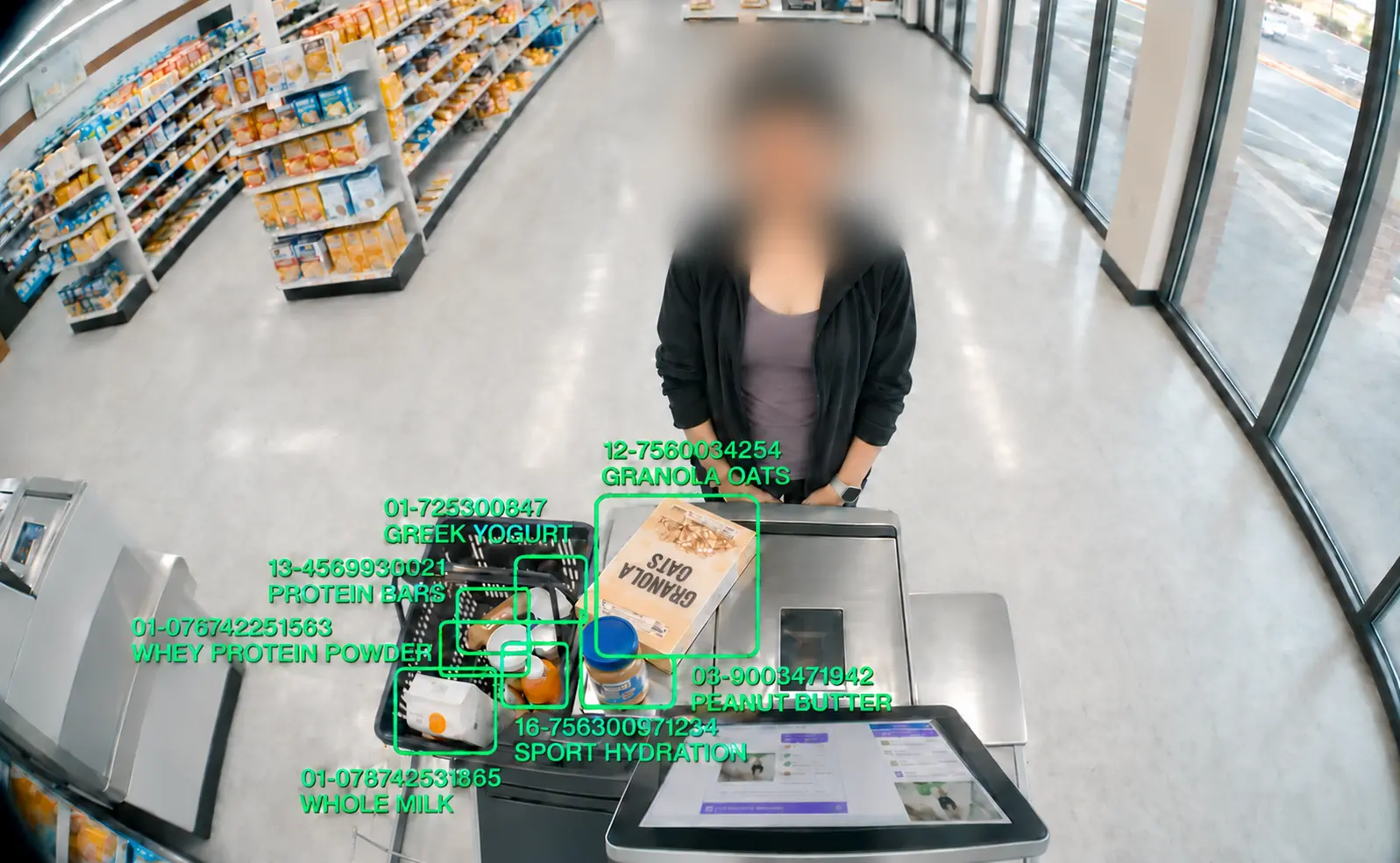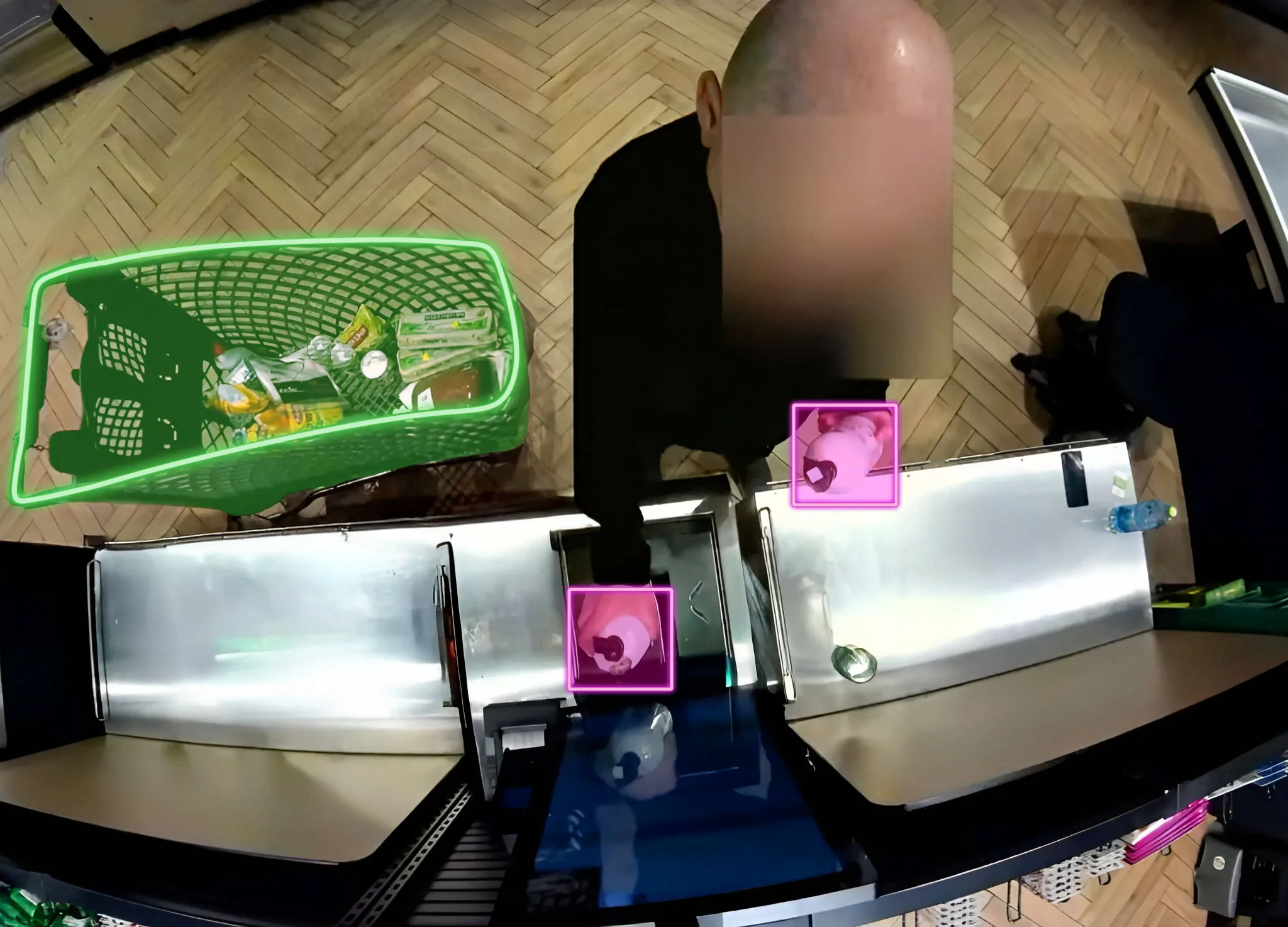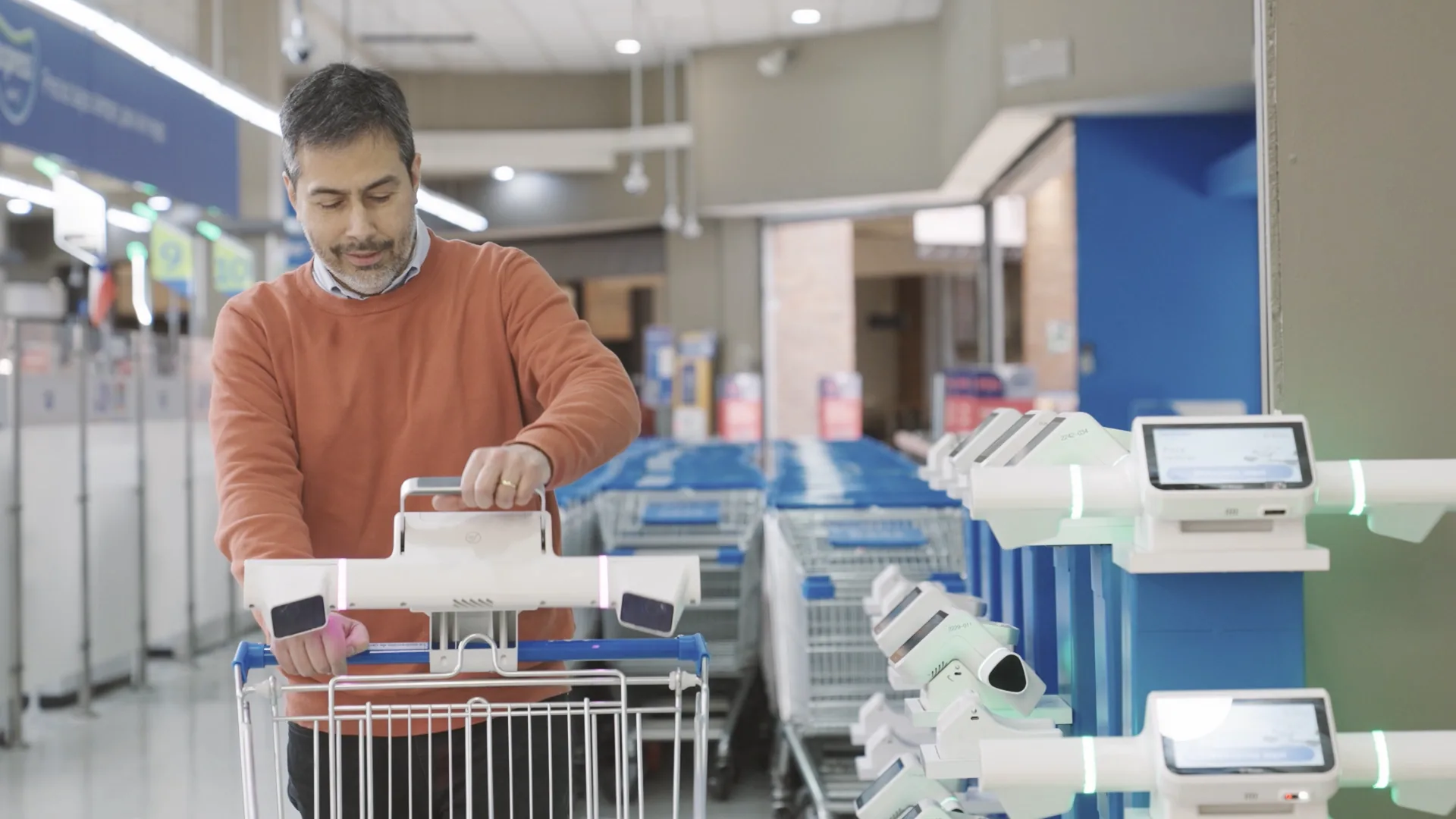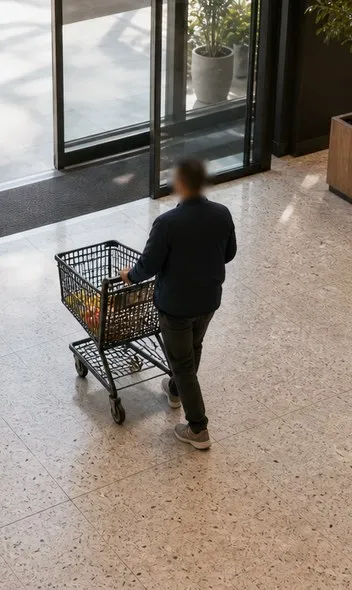
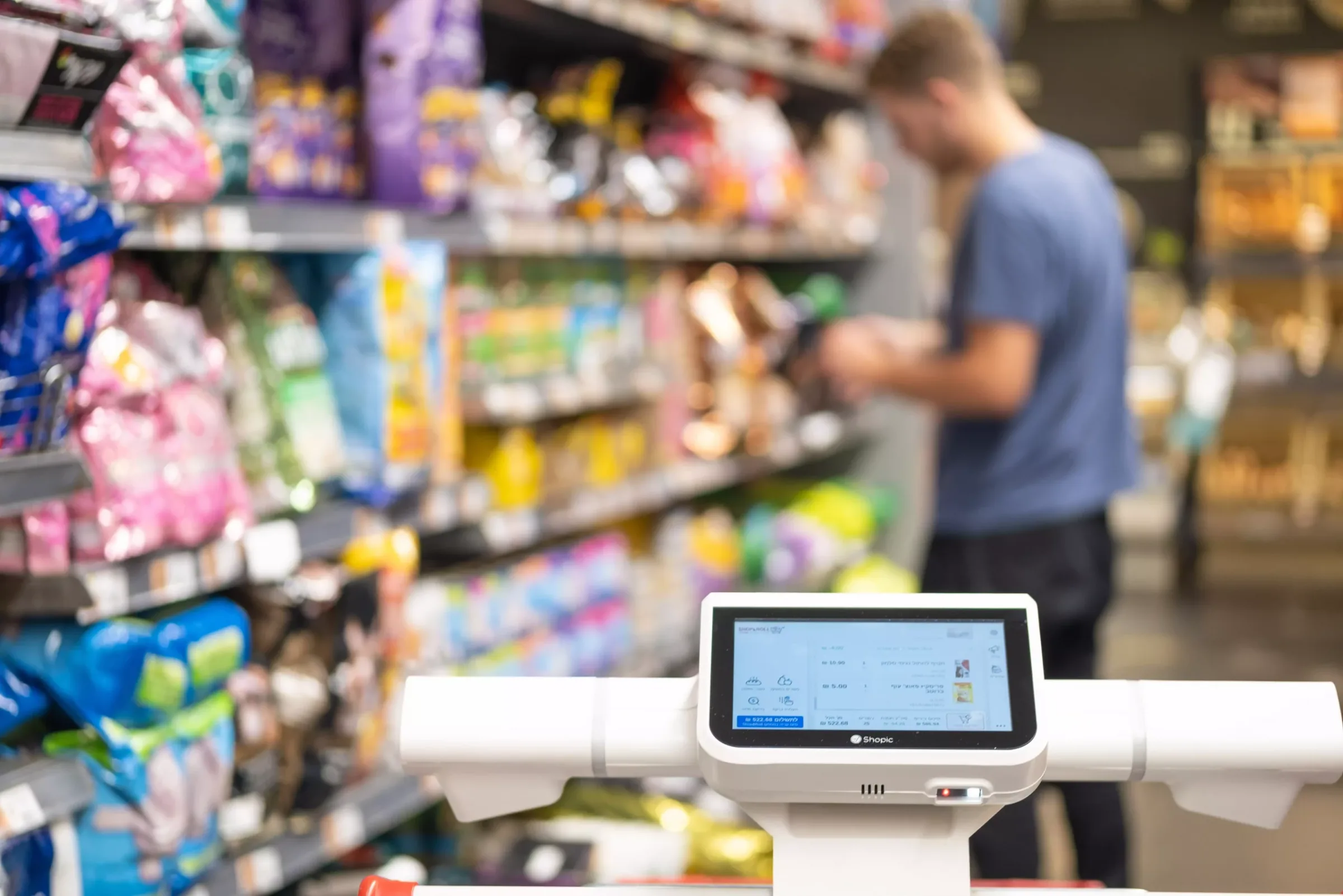
Smart carts provide a frictionless shopping experience, enable shoppers to
skip the checkout line, and help them save money through in-store promotions.
However, the benefits of smart carts extend well beyond the shopping
experience. They provide retailers with fascinating insights into their store operations, staffing needs, and promotional effectiveness. Deploying smart carts into a store provides the equivalent digital information to a customer’s online buyer journey.
Online retailers use aggregated information from thousands of shopping trips to design their website layout, from how products are displayed on screen to the related products they offer when a customer makes a purchase decision.
Through the smart cart, brick-and-mortar retailers have access to that same level of information, which can be used to streamline and optimize day-to-day operations.
Shopper Traffic Optimization
Smart carts are capable of tracking the entire indoor shopping journey. When aggregated with hundreds or thousands of shopping trips taken over the course of a week and presented as a heat map, retailers have a clear picture of the popular areas in the store.
Broken down even further, these heat maps can show how long customers lingered in an aisle, their shopping route, and which areas caused them to linger.
Heatmap reports can help retailer operations in a few ways. First, it shows which areas of the store get more traffic. Depending on the retailer's strategy, high-traffic areas might be ideal for high-margin merchandise. Other retailers might want to test products that are unpopular or difficult to sell to see if additional eyeballs drive more sales.
Likewise, by identifying poorly trafficked areas, some retailers might want to test placing popular items there to drive more traffic to underperforming areas of the store. In contrast, other retailers could keep less popular merchandise there.
Aisles with longer dwell time indicate enhanced shopper interest, which could make it the ideal place to offer in-store promotions.
Staffing Optimization
Smart carts accurately capture several pieces of information that can be used for staffing purposes. First, it lets retailers know the exact number of people in a store at a time. Second, it can track the amount of time shoppers stand around waiting.
When aggregated over time, retailers have a clear view of peak times and their staffing needs. As smart cart usage extends into the future, historical data will also help retailers plan for peak seasons, such as the holidays, or specific spikes, like Superbowl Sunday.
In addition to general staffing needs, smart carts can help identify needs in specific departments. If smart carts identify long waits at the deli counter or bakery, it might indicate a staffing issue. Breaking down that information by time can help optimize operations by assigning staff to specific areas of the store during busier time periods.
Additionally, self-checkout tools built into the smart cart enable managers to better allocate employees who are not needed at the checkout counter.

Creating the Shopper Journey Map
In addition to heat maps that indicate the time spent in an area, smart carts can generate customer journey maps that show the path customers take while traversing the store. This can lead to some key insights that generate sales.
For example, data might show that there are three paths typically taken by consumers upon entering the store, each one with its own characteristics:
Type of consumer — Spending
Consumers who walk through every aisle in order — High
Consumers who walk counterclockwise around the perimeter of the store, occasionally going into an aisle — Medium
Consumers who walk clockwise around the perimeter of the store, occasionally going into an aisle — Low
That data indicates that consumers who walk through more aisles are more likely to spend more. However, it also shows that consumers who walked counterclockwise through the store spent more than those who walked clockwise.
Further analysis could show that product placement is optimized for people walking counterclockwise around the store. Rather than seeing the higher margin merchandise first, those walking clockwise are more likely to pick up the low margin merchandise.
Under those circumstances, the store might adjust its layout to make it more natural for shoppers to take the counterclockwise path. This simple layout change could help increase conversions by changing the customer’s walking path.
Optimization Improves Bottom Line Results
Most retailers begin thinking about smart carts as a tool to improve the shopper experience. However, their impact on operations and layout optimization may provide even more value over the long term.