
We know the item. Gesture systems guess.
Most loss-prevention systems infer intent from gestures. They can tell you something happened - not which item, or what it's worth. ShopWatch starts from the item.
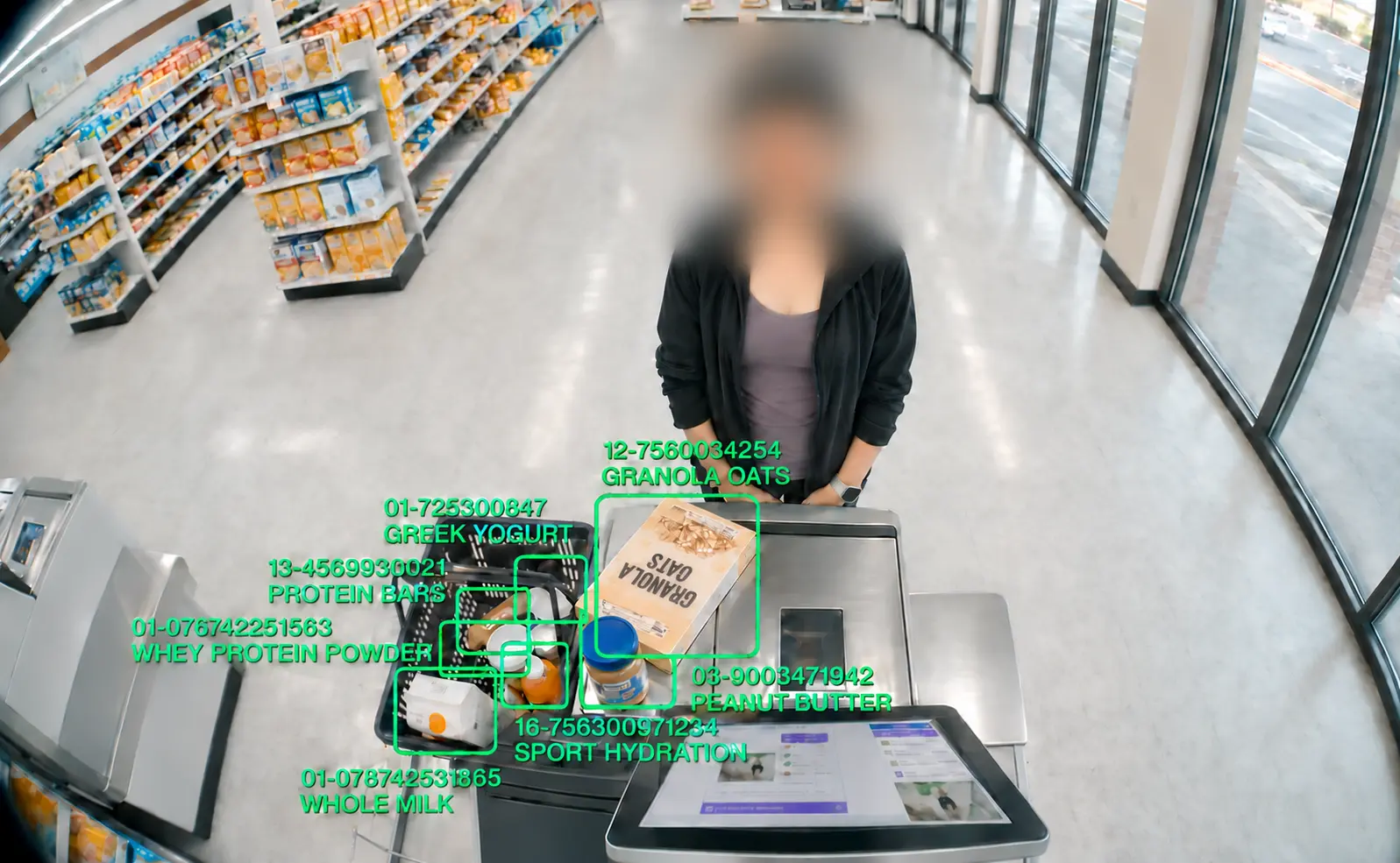
Gesture systems see that something moved. Not what it was.
Weight and motion tell you something moved. Only item-level recognition tells you what it was and what it's worth. Guessing has a cost at the lane.
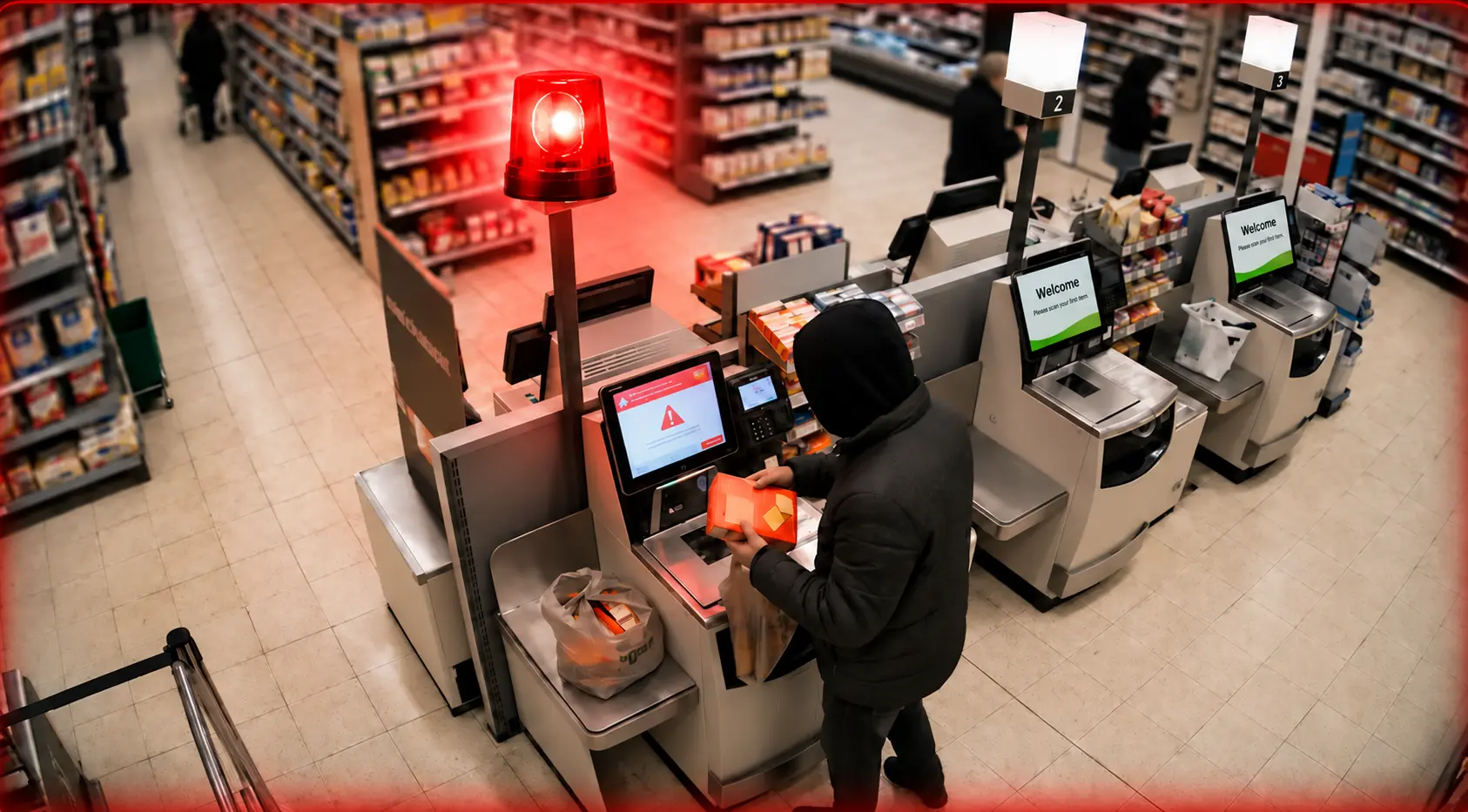
False alerts.
Motion fires on movement, not on what was taken. Honest shoppers get stopped.
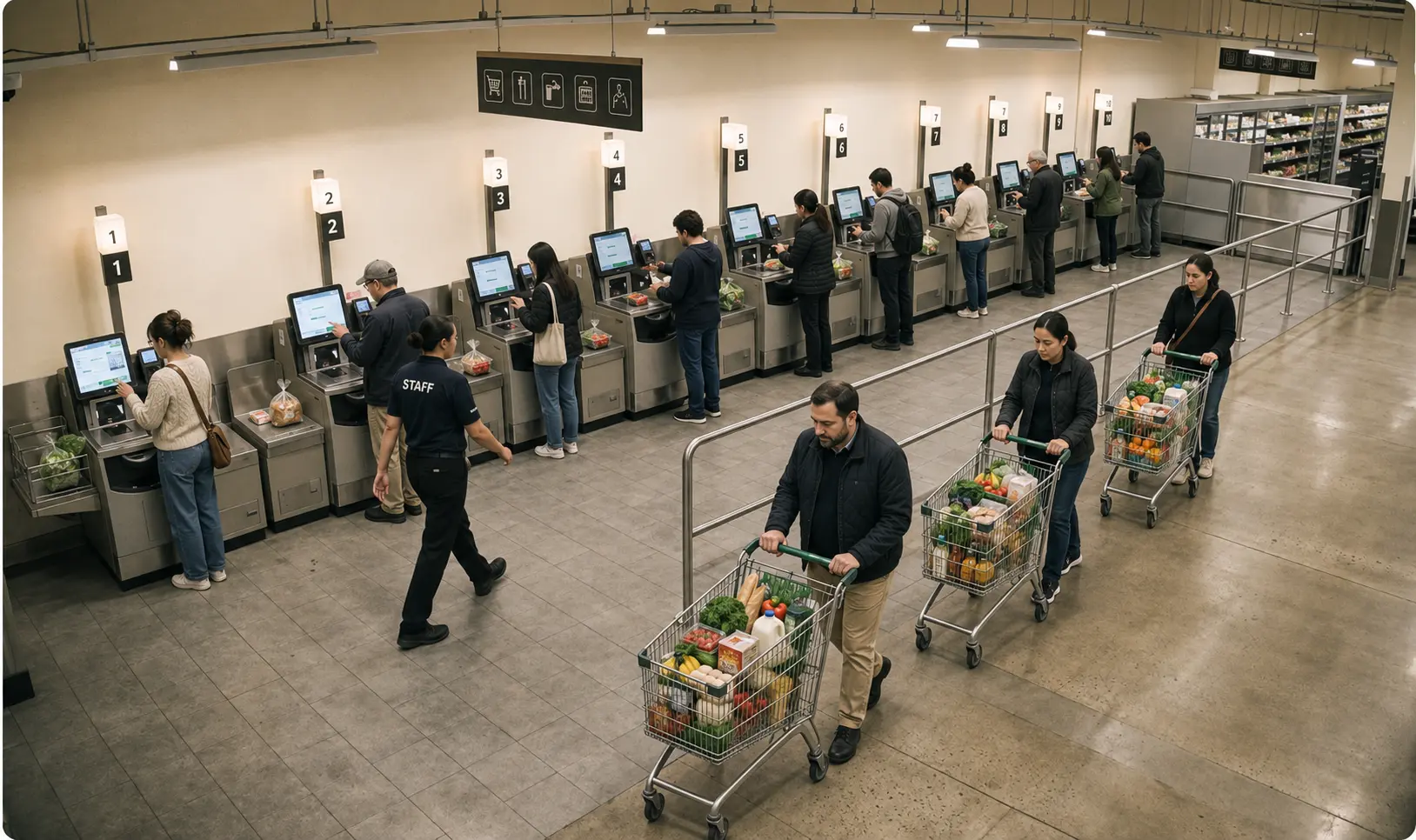
Slower checkouts.
Every unnecessary stop holds the lane and pulls staff away from the floor.
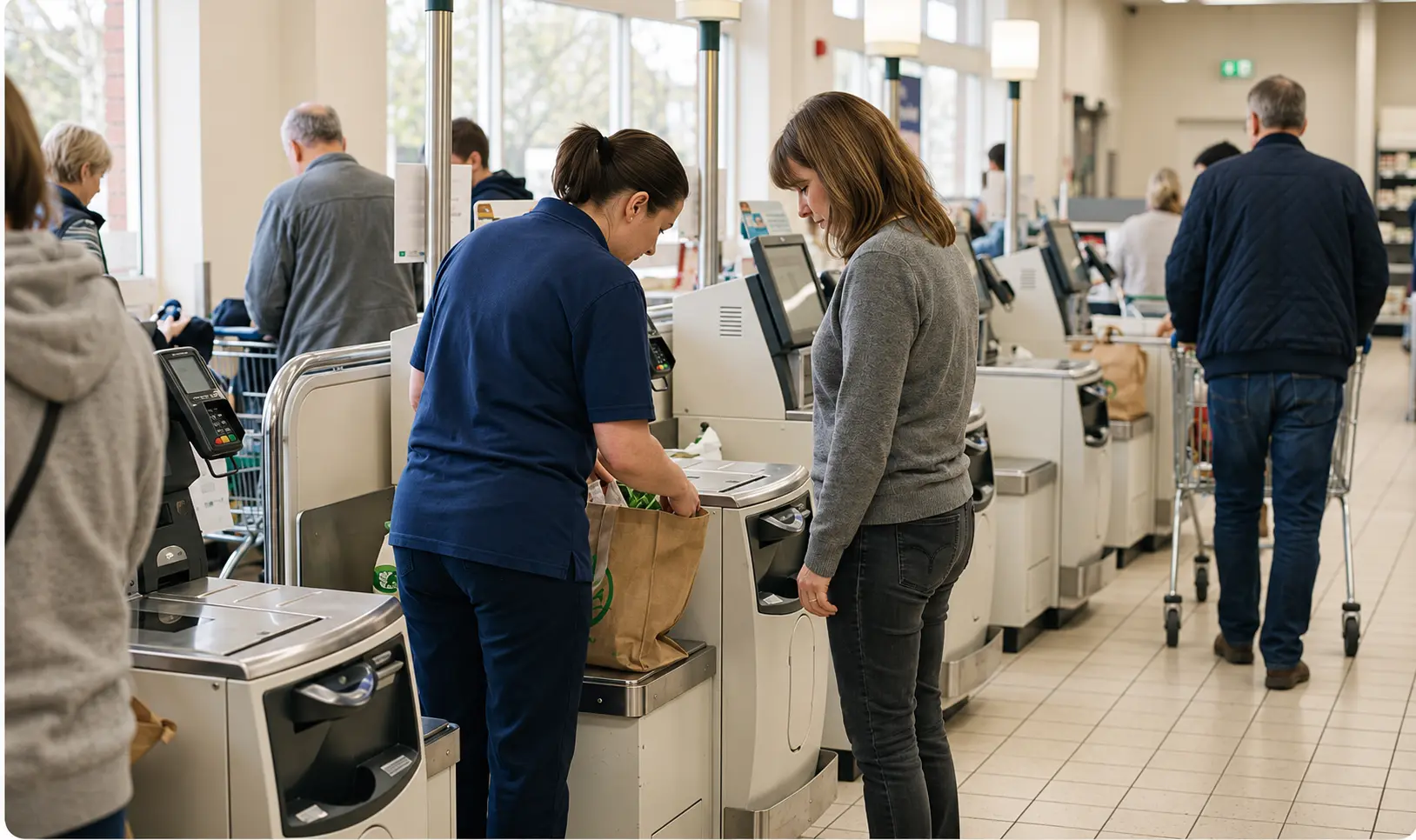
Shoppers treated as suspects.
A flashing light and a walk-over - for a box of crackers.
We start from the item.
ShopicVision recognizes the specific product in every event - so every decision after that is based on what actually happened.
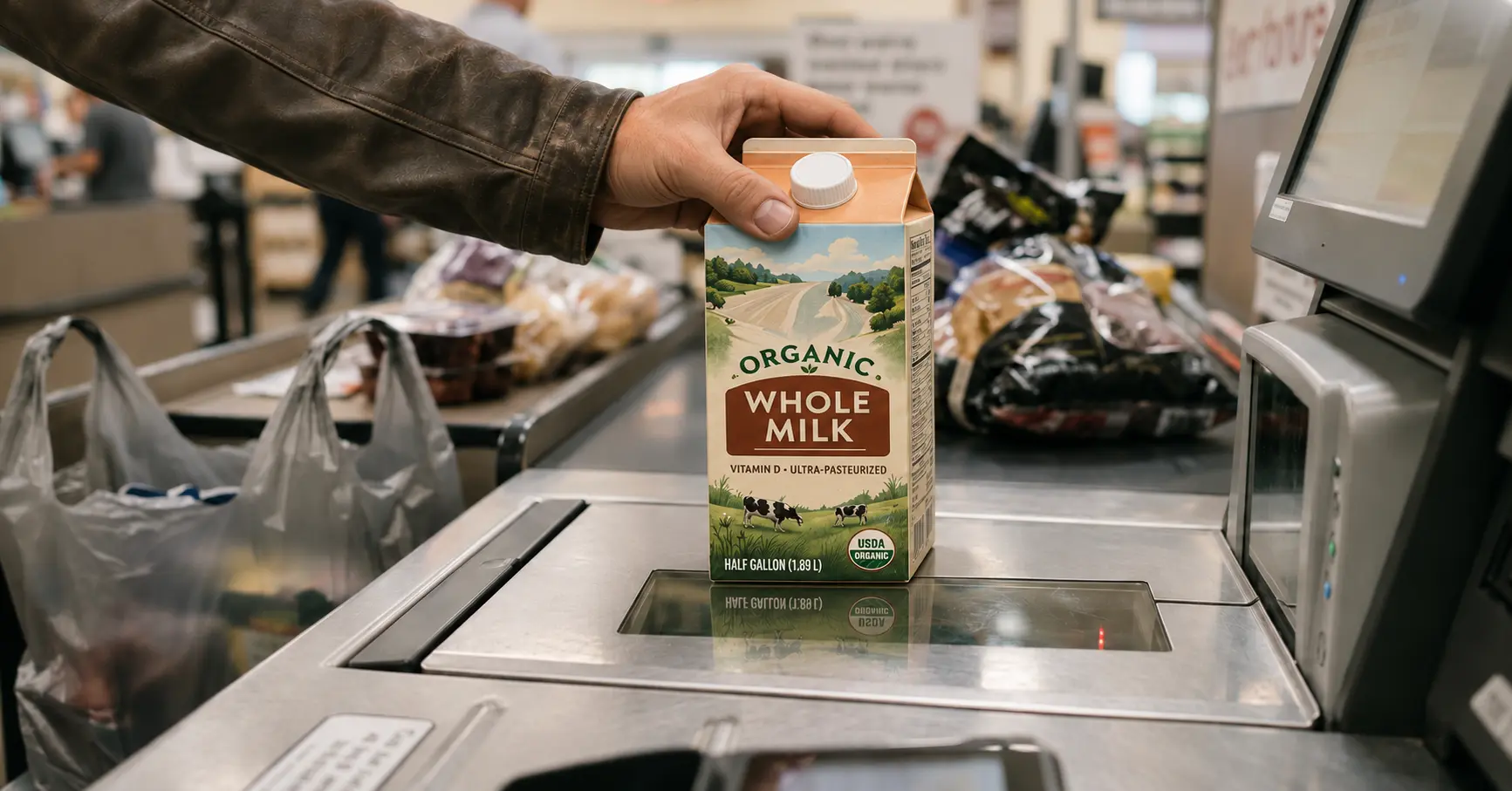
Identify the exact item.
Not just the motion - the specific product in every event, across a full assortment of 100K+ SKUs.


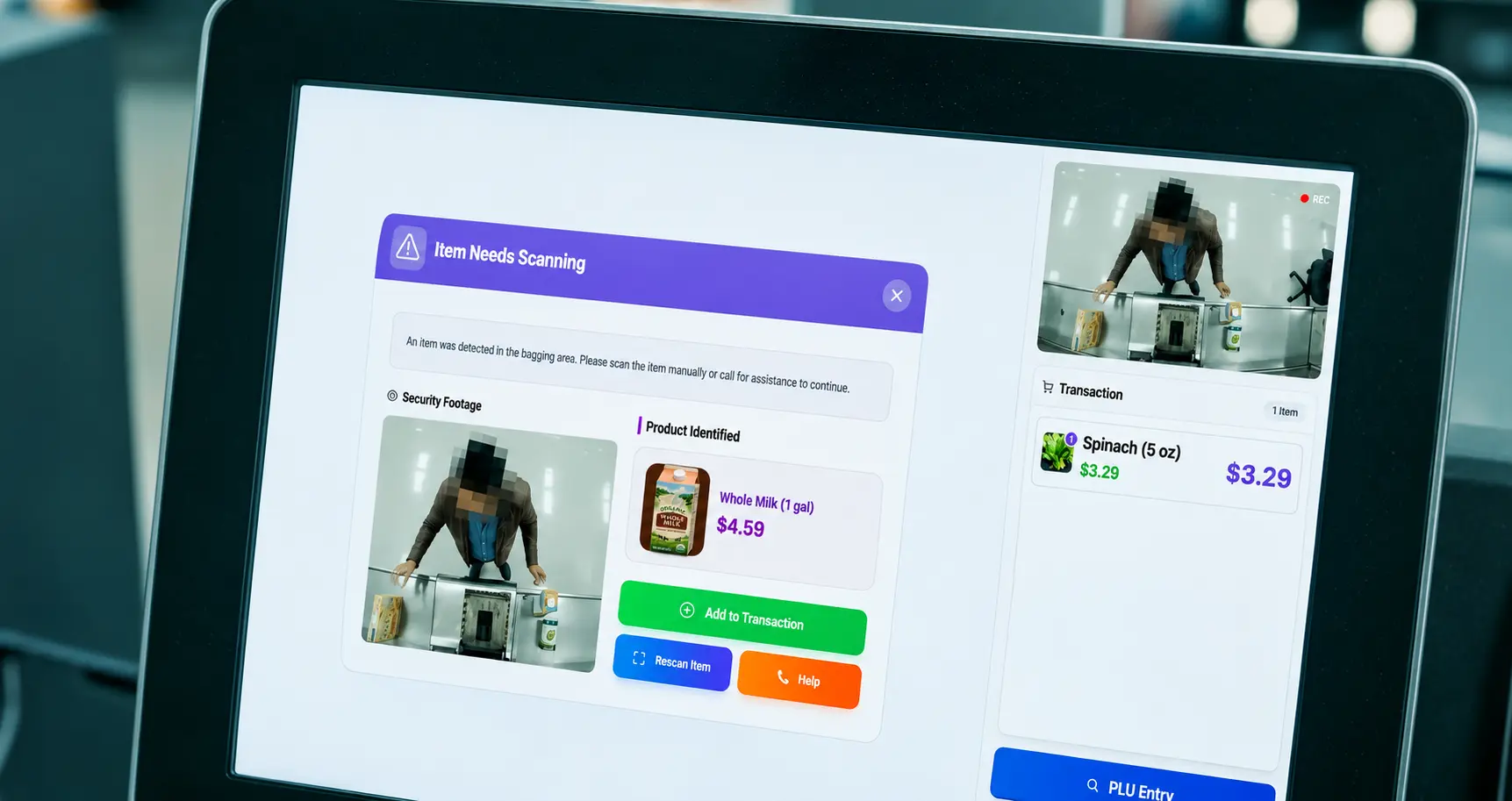
Tier the intervention.
Because we know the item and its value, the response tunes itself to what's at risk: $2 miss → nudge. $40 ticket switch → escalate.
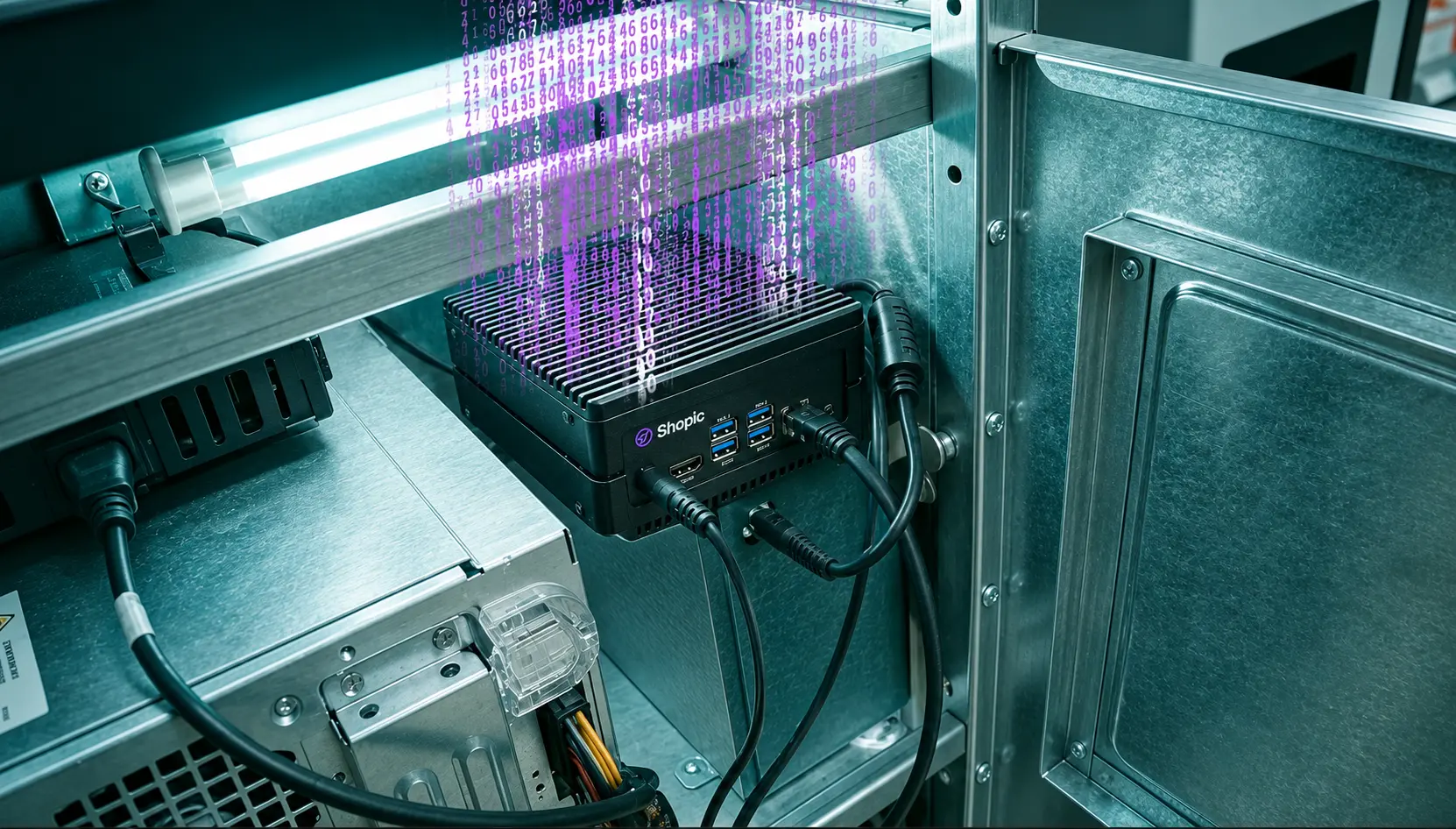
At the edge, in real time.
Sub-100ms at the lane on a small edge processor. No in-store servers.
Because the shopper isn't interrupted, the store isn't either.
The shopper gets a prompt, not an audit. Loss gets caught where motion alone can't see it.
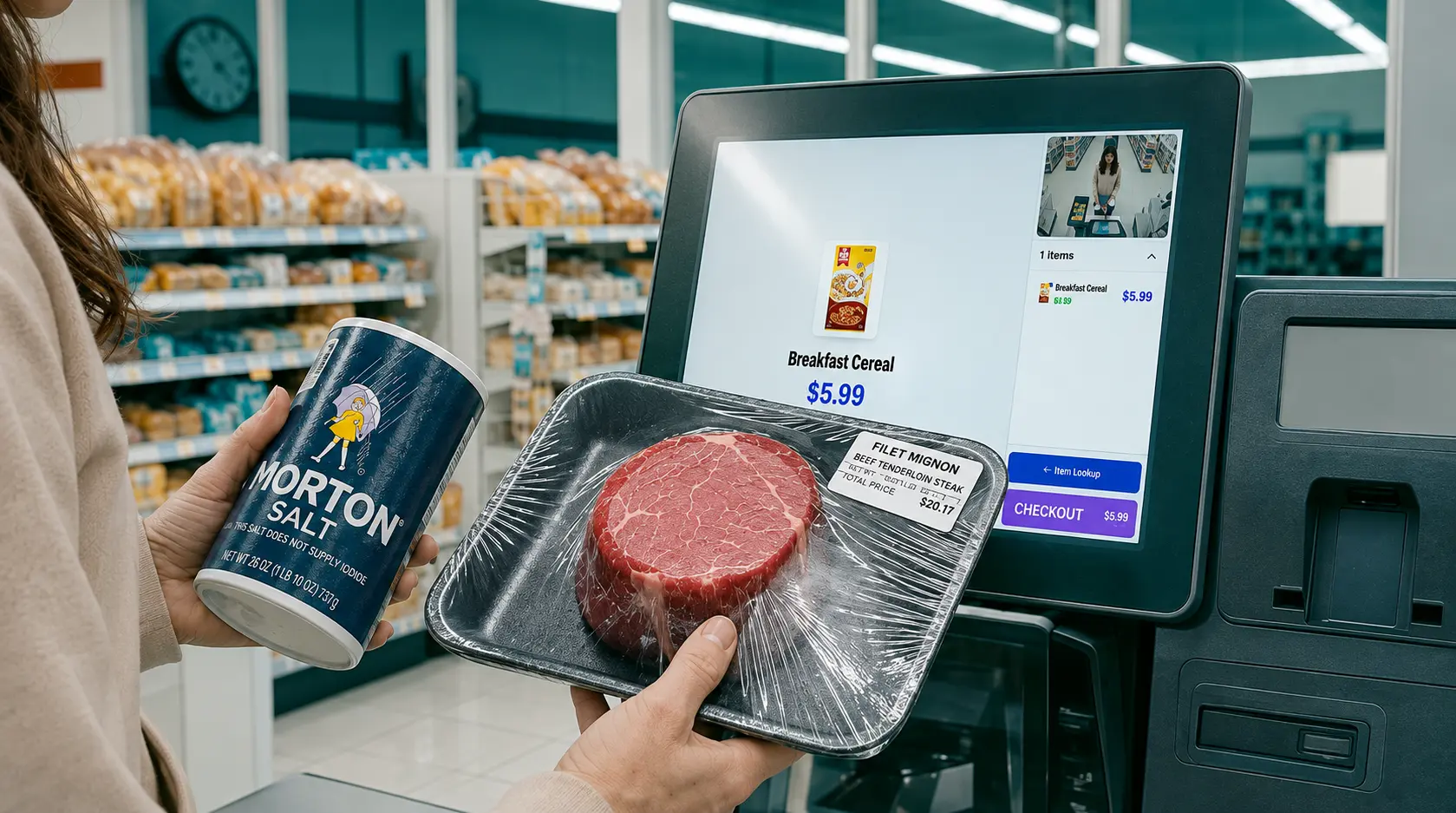
Catch what motion can't see.
Ticket switches, label swaps, high-value mis-scans.
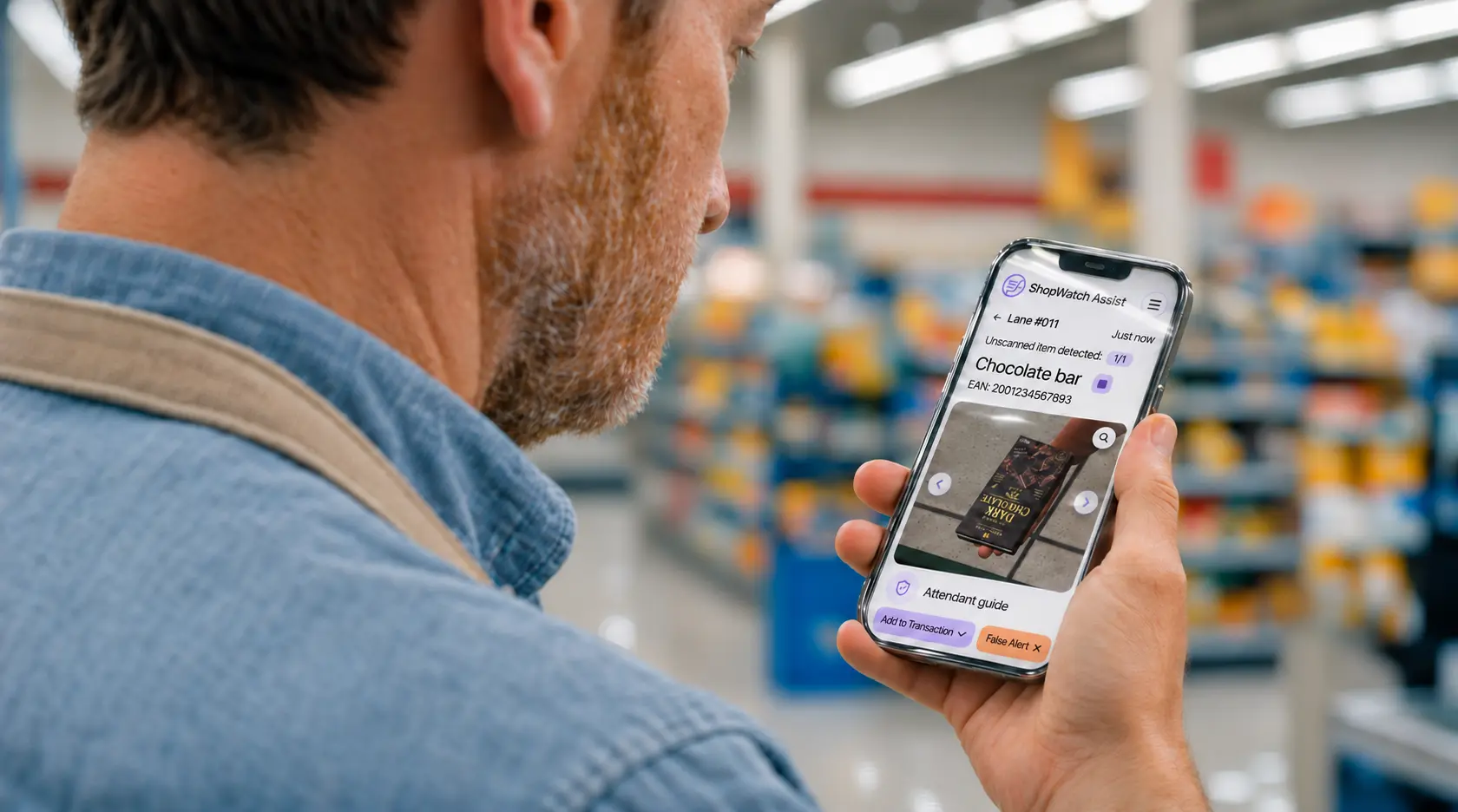
Cut false alerts.
Fewer stops for honest shoppers. Less staff fatigue.
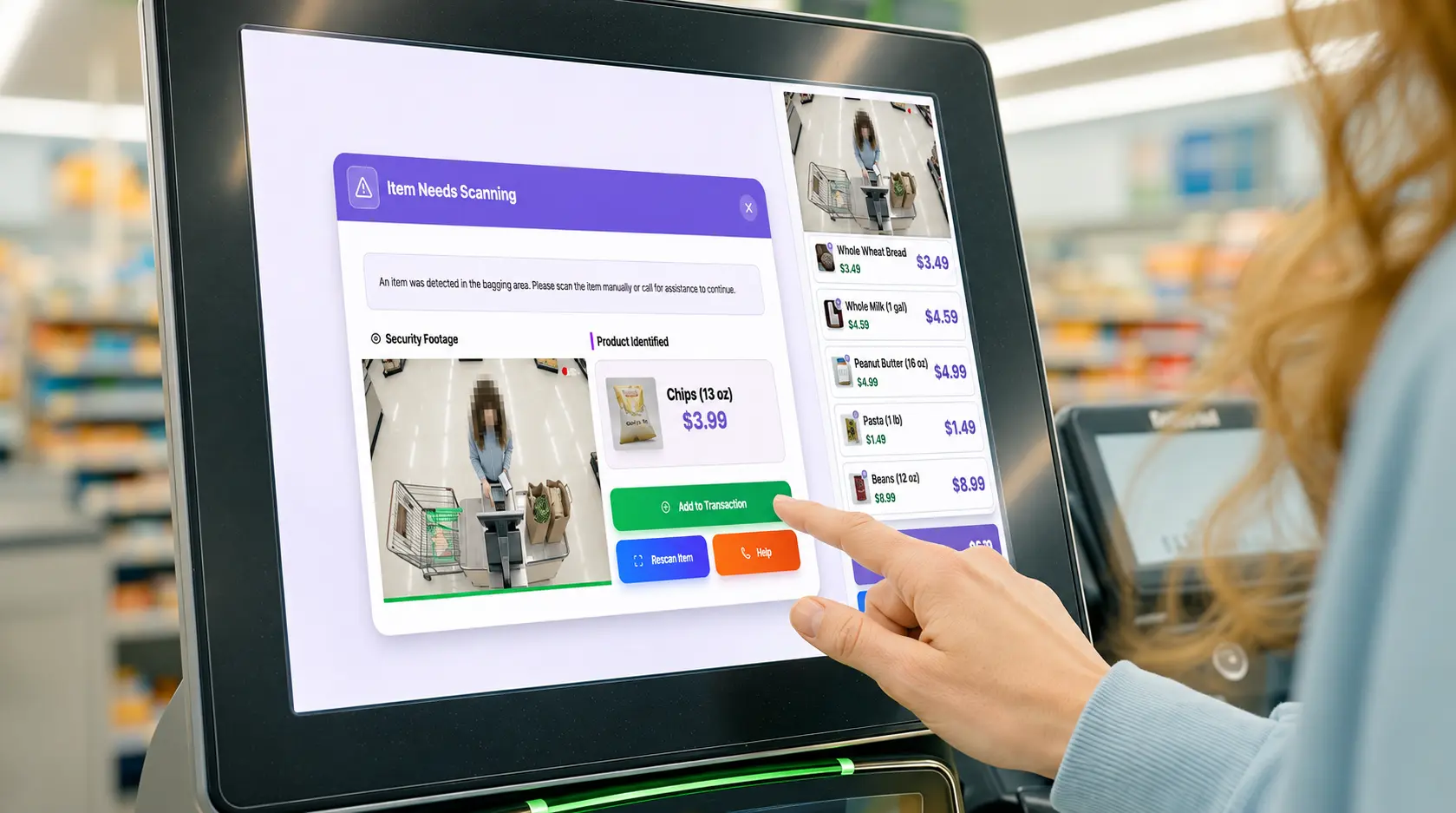
A prompt, not an audit.
One tap and it is corrected. No queue behind you, nobody walking over.
Two other ways. One ours.
Pure gesture tracks motion but doesn't know the item. Low-volume item-level knows a small set of items but needs a server and leaves the long tail unprotected.
Source: Shopic field analysis, May 2026.
Five years of item-level data that nobody else has.
The foundation compounds: every lane we run makes recognition better for the next one.
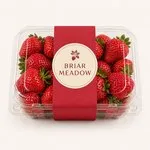
Briar Meadow
$4.79
Sunspire Cereal
$4.79