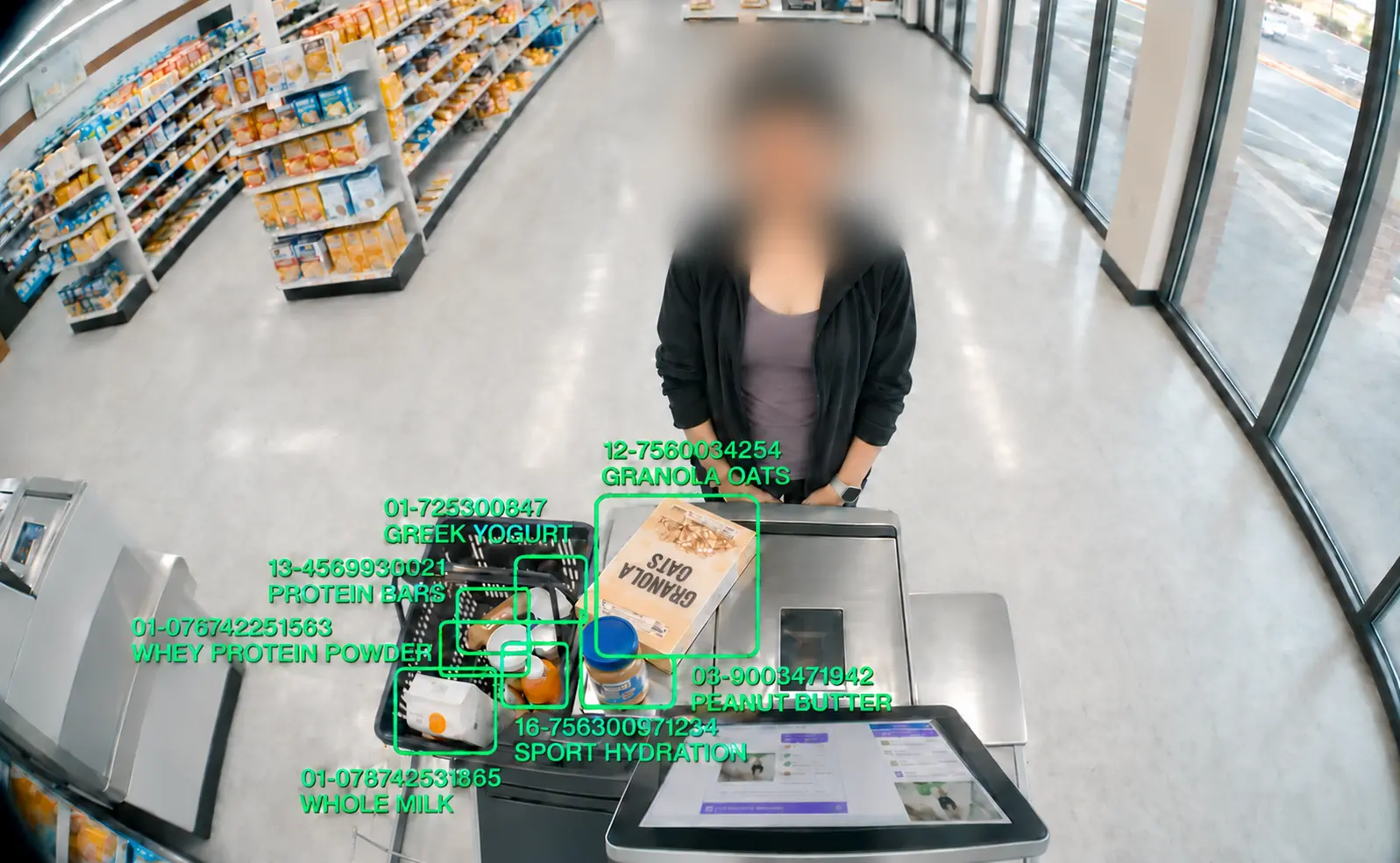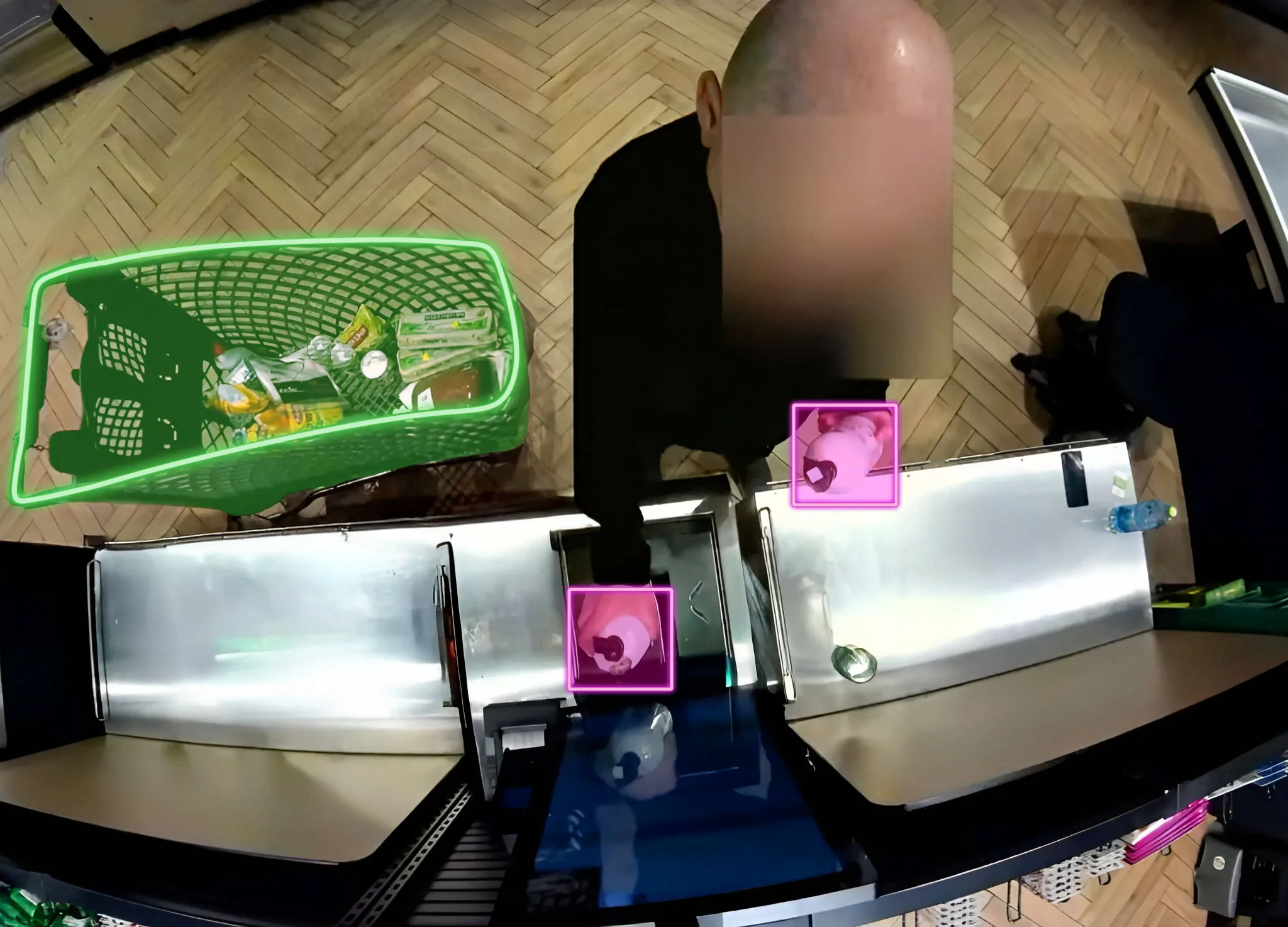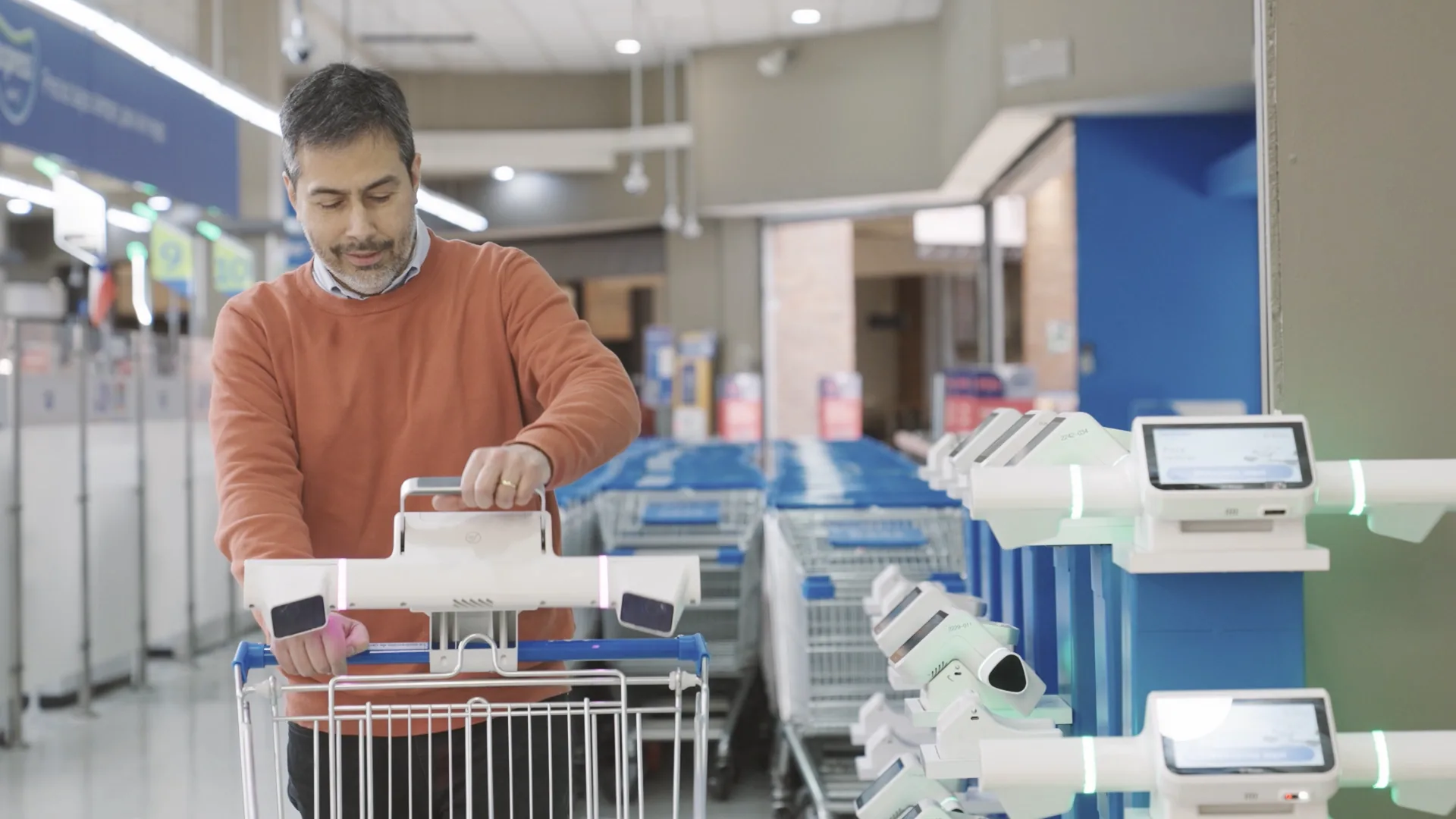

Over the past three years, we’ve seen an explosion of new technology hitting the retail floor.
Electronic shelf pricing, virtual mirrors, and custom promotions are transforming the physical
retail space into a near-online digital experience.
Retailers are betting that delivering a highly
personalized, zero-friction experience can improve the shopping experience and help them
reclaim market share from e-commerce shops. However, with each new AI application,
retailers must be careful not to alienate their older customers.
These customers, who eschewed online shopping in favor of an in-person experience,
are finding themselves face-to-face with new technology as it invades their shopping sanctuaries.
Each additional piece of customer-facing tech comes with a learning curve, and retailers must do
everything they can to ensure that the transition is smooth for this population.
Here are two considerations brick and mortars should take into account when designing
and implementing new technology.
Keep the Interface Simple
Research has shown that while older adults like to try new technology, they frequently become
frustrated with it and can’t make it work. For retailers, that means simplifying the in-store
experience.
In-store technologies like smart shelves, self-checkout, and smart-cart screens should be
designed with older users in mind. Creating a mode with easy navigation and limiting options to
the most popular choices makes it easier for older shoppers to use the system.
The language and instructions should be simple and direct to the point. Implementing color-
coded design elements can reduce the learning curve and provide older shoppers with an
exceptional in-store experience.
Maintain Human Interactions
While it is tempting to use technology throughout the store, it's vital that brick and mortar stores
remain a place where shoppers can interact with store employees. Older shoppers don't want to
feel like they have been abandoned to the whims of technology.
Technology always comes with a learning curve. Ensuring that employees are on hand to
demonstrate how to use a system, help with checkout, and help shoppers find the things they are
looking for will make adopting the technology more seamless.
Employees should be fully trained in all the new customer-facing technology. Training should
also include ways to best assist older shoppers in using the new gadgets and devices located on
the retail floor. By making the process of tech adoption smooth and seamless, shoppers are able
to avoid feeling confused and frustrated.
Embracing Tech While Ensuring it is Inclusive
It’s been nearly 30 years since Amazon first launched as a bookstore. Since then, e-commerce
has eroded the brick-and-mortar establishment, leaving a trail behind of stores that lacked the
tools and user experience to compete.
Today, retail has a chance to fight back. Digital technology is leveling the playing field and
giving retailers similar tools to those that online shoppers embrace. Retailers have no choice but
to adopt and embrace these new technologies.
However, in their effort to digitize, they need to keep the needs of older shoppers in mind. They
must understand the learning curve and implement resources that shorten it in order to
accommodate their shoppers. Creating simple interfaces on in-store devices will go a long way
toward making them usable by older shoppers.
Maintaining employee presence in the store, and letting customers know they can always turn to
an employee for help, is critical. It engenders confidence in shoppers who know that they can
always get the help they need if they have any trouble.